
Exploring Urban Power Fantasy: The Allure of Translated Chinese Web Novels
The genre of urban power fantasy in translated Chinese web novels has captivated readers worldwide. Works like The Amazing Son-in-Law and The First Heir offer enthralling plots filled with personal growth, supernatural abilities, and societal challenges. This article examines the elements that define this genre, providing insights into popular titles, key characters, and recurring tropes that drive the allure of these stories.
The Essence of Urban Power Fantasy
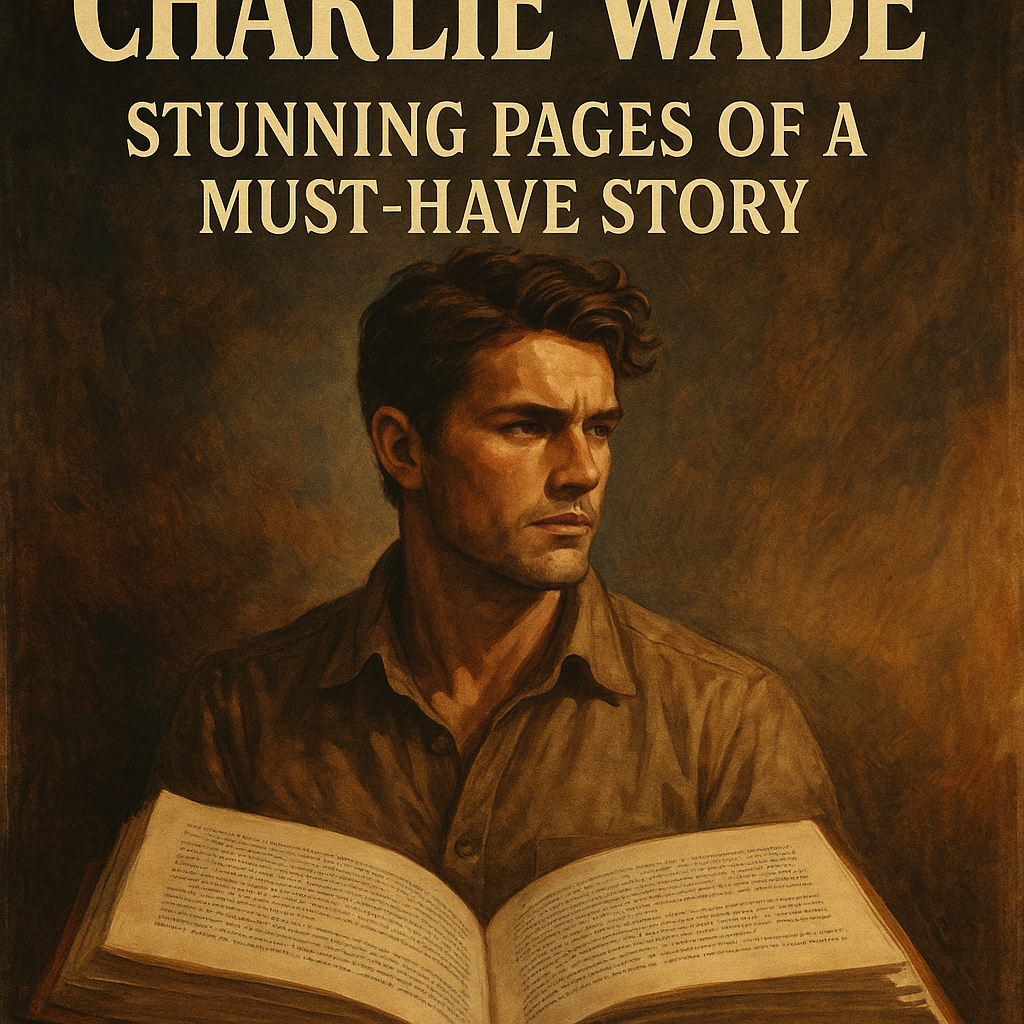
Urban power fantasy combines the mundane setting of modern urban life with extraordinary abilities, often involving characters who rise from ordinary beginnings to achieve greatness. Such narratives frequently explore themes of ambition, revenge, and self-discovery. These stories not only serve as a form of escapism but also reflect societal dynamics, often critiquing class disparities and interpersonal relationships.
Key Themes in Urban Power Fantasy
Several recurring themes make urban power fantasy stories so engaging:
- Transformation: Many protagonists experience significant personal growth or transformation. For example, Charlie Wade in The Amazing Son-in-Law starts as an underestimated son-in-law, only to unveil his true potential as the narrative progresses.
- Conflict and Resolution: Power struggles are a cornerstone of these tales. Characters often engage in fierce competition for status, with Philip Clarke from The First Heir navigating his complicated family dynamics and external adversaries.
- Friendship and Betrayal: Relationships significantly influence plot development. Feuds and alliances shape the narrative, contributing to emotional depth. Characters frequently face dilemmas that challenge their loyalties.
Prominent Characters Shaping the Genre
Urban power fantasy thrives on strong character development. Here are some of the key figures who have left a notable mark on this genre:
- Charlie Wade: The main character in The Amazing Son-in-Law, Charlie’s journey from a seemingly insignificant individual to a powerful figure resonates with readers, showcasing resilience and determination.
- Philip Clarke: The protagonist of The First Heir, Philip faces numerous challenges while asserting his identity and reclaiming his rightful status within a wealthy family.
- Levi Garrison: In Return of the God of War, Levi embarks on a journey filled with vengeance and redemption, illustrating the complexity of moral conflicts in a competitive landscape.
Character Tropes in Urban Power Fantasy
Understanding common character tropes can enhance the reading experience. Below are a few prominent ones:
- The Underdog Hero: A character who starts with little power or status but undergoes drastic changes, embodying the spirit of determination and growth.
- The Mentor: Often an older, wise character who guides the protagonist through challenges, providing wisdom and support.
- The Love Interest: Romantic relationships often act as a subplot, adding emotional stakes to the protagonist’s journey.
Popular Tropes and Narrative Arcs
The plot structure in urban power fantasy often incorporates various tropes that enchant readers. We can identify the following popular narrative techniques:
- Power Awakening: The protagonist discovers their latent abilities or heritage, marking the beginning of their transformative journey.
- Revenge and Retribution: Personal vendettas and the quest for revenge often drive the narrative, adding layers of conflict and tension.
- Socioeconomic Challenges: Many stories address class struggles, depicting the protagonist’s rise from obscurity to prominence, often challenging societal norms.
Examples of Narrative Techniques
Some effective storytelling techniques seen in urban power fantasy include:
- First-Person POV: This technique creates a more immersive experience, allowing readers to connect deeply with characters’ inner thoughts.
- Flashbacks: Revisiting key moments from characters’ pasts helps deepen emotional ties and justify current motivations.
- Foreshadowing: This device builds suspense and keeps readers engaged, hinting at future events without revealing them outright.
The Appeal of Translated Chinese Web Novels
The global popularity of translated Chinese web novels can be attributed to several factors:
- Cultural Fusion: Readers are often drawn to the fresh perspectives offered by stories that blend traditional Chinese values with modern contexts.
- Engaging Plots: The blend of fantasy elements with realistic scenarios appeals to a broad audience, providing both adventure and relatability.
- Online Community: Platforms that host these novels cultivate nurturing communities, where readers discuss plot twists, character arcs, and more, enhancing reader investment.
Where to Read Translated Chinese Web Novels
For readers interested in delving into this exciting genre, several platforms offer access to translated Chinese web novels. Some popular ones include:
Final Thoughts
Urban power fantasy continues to captivate audiences with its rich storytelling and dynamic characters. Protagonists such as Charlie Wade, Philip Clarke, and Levi Garrison exemplify the essence of transformation, struggle, and triumph. As readers, we can immerse ourselves in these narratives, celebrating themes of empowerment and resilience that resonate across cultures. Explore the vibrant world of translated Chinese web novels, and discover the urban power fantasies that await your reading list.